Now accepting new clients


Health Optimization
BioDynamic Health is a Functional Medicine and Health Optimization practice. We utilizes advanced biomarker testing, and cutting-edge technology to develop an individualized health plan that is unique to YOU and your health goals. We can help you optimize your health, reduce risk for chronic disease, and maximize athletic performance.
Longevity Medicine
Chronic Disease Risk Reduction
Anti-aging Strategies
Concierge Medical Services
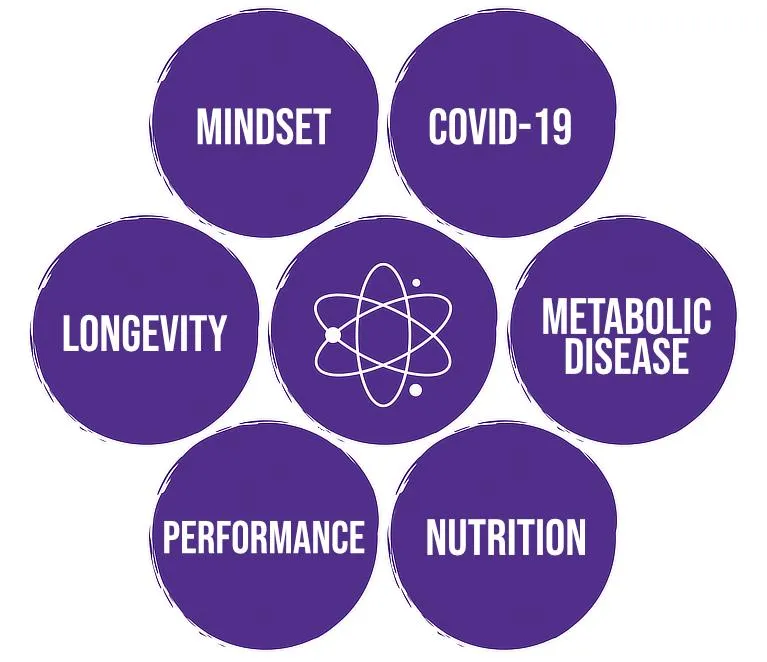
Health Optimization
Advanced Biomarker Testing for customized nutrition and supplement plans.
Genomics - Genetic Analysis
Metabolomics - Organic acid profile-mitochondrial assessment
Hormone Testing
Microbiome Testing - Intestinal Health
Functional Performance
VO2 Max Testing (Utilizing the PNOE Device)Genomics - Genetic Analysis
Identification of Training Deficits
Optimal Training Recommendations and ProtocolsDetermine True Basal Metabolic Rate (RMR) and speed of metabolism
Individual Fat vs Carbohydrate Fuel Utilization
Analysis of Respiratory, Cardiovascular, and Cellular Health

Recent Articles
Explore some of my most recent publications detailing the benefits and methods to apply longevity science to your everyday life.
New Blog Post
What Is the Healthiest Diet? A Functional Medicine Perspective
One of the most common questions patients we get asked as functional medicine practitioners is simple: “What is the healthiest diet?”
The honest answer may be surprising… Those who know me should not be surprised that my answer is… “it depends!”
There is simply no single diet that is the “best” for absolutely everyone. There is no “one size fits all”.
Nutrition is not a rigid set of rules. Instead, dietary strategies are tools used to address specific health goals, underlying conditions, and individual biology. Just as a carpenter chooses different tools for different jobs, a clinician practicing root cause medicine selects dietary approaches based on the patient’s needs, goals and conditions.
Understanding this concept is key to navigating the often confusing world of nutrition advice.
Why “One-Size-Fits-All” Diets Don’t Work
Many popular diets promise universal results. However, research and clinical experience consistently show that individual variation matters. Genetics, metabolism, gut health, hormone balance, activity level, and even the gut brain connection can influence how someone responds to a specific dietary approach.
A holistic physician or functional medicine doctor evaluates these variables before recommending a nutritional strategy. The goal is not simply weight loss or calorie reduction, but rather we make recommendations to optimize health outcomes and help each individual achieve their health goals.
Instead of asking “Which diet is best?” a better question is:
“Which diet is best for MY goal or condition?”
Diet as a Tool: Matching Nutrition to the Goal
Different dietary frameworks can be extremely powerful when used for the right purpose.
Weight Loss and Body Composition
In my experience, for most individuals seeking weight loss or improved body composition, a balanced macronutrient approach combined with calorie awareness tends to work best. This approach focuses on adequate protein intake (0.8–1 gram of goal lean body mass) for both males and females with healthy fats, fiber-rich carbohydrates, and overall energy balance. I would recommend working with a health practitioner or nutrition coach to help determine your caloric needs. There are a variety of ways in which we determine caloric goals and macronutrient recommendations:
Go to a website such as: Macronutrient calculator — enter your information, goals, and activity level.
Complete an Inbody scan analysis with your healthcare provider, trainer or coach.
Metabolic Testing: A cardiopulmonary exercise testing system (aka Metabolic CART). This is considered the most accurate way to determine an athlete’s target calories. A metabolic assessment is available at BioDynamic Health. Talk to your provider if you would like to precisely measure your metabolism.
Note: I highly recommend working with a nutrition coach who will help you modify and customize these recommendations.
From a functional medicine perspective, sustainable weight management also involves addressing hormone balance, sleep quality, stress, and metabolic health.
Blood Sugar Regulation and Diabetes
When blood sugar control is the primary concern, lower-carbohydrate strategies can be highly effective. The ketogenic diet has been studied for its impact on insulin resistance and metabolic health. Emerging research in nutritional psychiatry also suggests a connection between the ketogenic diet and mental health, including potential benefits for mood disorders and neurological conditions.
For individuals with metabolic syndrome, insulin resistance, or type 2 diabetes, reducing refined carbohydrates and improving metabolic flexibility can dramatically improve health outcomes. Depending on your preferences, family history, and a variety of factors, you could consider a Ketogenic diet, Carnivore diet, or Cardiometabolic diet (from the Institute for Functional Medicine).
Brain Health, Mood, and the Gut-Brain Connection
We know that diet and nutrition play a major role in mental health.
Research on food and mental health increasingly points to the importance of inflammation, nutrient status, and microbiome health. The gut brain connection means that what we eat directly influences neurotransmitter production, immune signaling, and brain function.
In clinical practice, dietary approaches that stabilize blood sugar, reduce inflammatory foods, and support the microbiome may improve symptoms related to anxiety, depression, and cognitive health. There is an abundance of research to suggest that a ketogenic diet may be extremely beneficial for those suffering with mental health issues such as depression, bipolar disorder, schizophrenia, Alzheimer’s disease, and seizures.
Autoimmune Conditions
For individuals dealing with autoimmune disease, targeted elimination diets may be useful tools.
An elimination diet functional medicine approach temporarily removes common inflammatory foods to help identify triggers that may worsen immune dysfunction. Some patients report improvements with lower-carbohydrate or animal-based approaches, though responses vary widely. We eliminate common food triggers such as gluten or dairy to determine if these are a possible cause of the autoimmune response.
The key is personalization and careful reintroduction to determine what truly works for the individual.
Gut Health and Yeast Overgrowth
In cases of suspected yeast overgrowth or microbiome imbalance, a temporary anti-candida style diet may help reduce fermentable sugars that feed fungal organisms. I highly recommend completing a candida screening tool and possibly an advanced diagnostic stool analysis to determine if yeast overgrowth may be a problem.
Because gut health and mental health are closely connected, addressing digestive issues often produces benefits that extend far beyond the gastrointestinal system. We see improvements in gut symptoms, but also improvements in micronutrient absorption, energy levels, and even joint pain once we eliminate possible candida overgrowth.
Athletic Performance
When nutrition is optimized for athletic performance, the goal shifts from weight loss or disease management to fueling energy production, recovery, and muscle adaptation.
Most athletes perform best with a balanced macronutrient approach that includes adequate carbohydrates for glycogen replenishment, protein for muscle repair, and healthy fats for metabolic and hormone support. Restricting carbohydrates too aggressively can impair high-intensity performance, as muscles rely heavily on glycogen for explosive movements and endurance activities.
However, metabolic flexibility still matters. Some endurance athletes experiment with lower-carbohydrate or ketogenic diet strategies to improve fat oxidation during long-duration exercise. While this approach may benefit certain individuals, it is highly context dependent.
From a functional medicine perspective, optimizing performance also means addressing micronutrient status, hydration, sleep quality, gut health, and recovery capacity. Proper nutrition should ultimately support not only performance today, but also long-term resilience, injury prevention, and metabolic health.
The Functional Medicine Approach to Nutrition
A functional medicine doctor or functional medicine Nurse Practitioner does not simply prescribe a diet and send a patient home. Instead, nutrition is integrated into a broader strategy that may include:
Comprehensive lifestyle evaluation
Gut health testing and microbiome support
Nutrient optimization
Stress and sleep management
Personalized supplementation
The goal is identifying and addressing the root cause of symptoms, rather than just managing them.
The Bottom Line
The healthiest diet is not a universal template.
Instead, the best dietary approach is the one that aligns with your individual biology, health goals, and underlying conditions.
Whether the goal is weight loss, metabolic health, improved mood, autoimmune management, or longevity, nutrition can be a powerful therapeutic tool when applied thoughtfully.
That personalized philosophy is at the heart of functional medicine—using targeted strategies to help each patient achieve optimal health.

Let's get started!
Contact me for a FREE introductory discovery call!













Let's work together
I'd love discuss your health and wellness goals. Use this form to send me an inquiry.


PLEASE READ ALL PRODUCT LABELS AND ASK YOUR PROVIDER REGARDING ANY SIDE EFFECTS OR POSSIBLE INTERACTIONS. PLEASE NOTIFY YOUR PROVIDER IF YOU ARE PREGNANT, BREAST FEEDING, OR PLAN TO BECOME PREGNANT.
The treatment plans is not designed to cure or prevent any disease. They are for general health maintenance only and designed to improve health based on the best available research. Botanicals, supplements, herbs and many peptides are not evaluated by the Food and Drug Administration. I do have an affiliation and financial relationship with Designs for Health, Metagenics, and Fullscripts. This allows BDH to provide discounts to our clients with a small commission to keep our prices low so we can help as many people as possible. However, Biodynamic health only uses these products because we believe they use extremely high quality ingredients and 3rd party testing for purity and accuracy of the label.